

Carlo's Interview & Publication
SYNLAB Italy
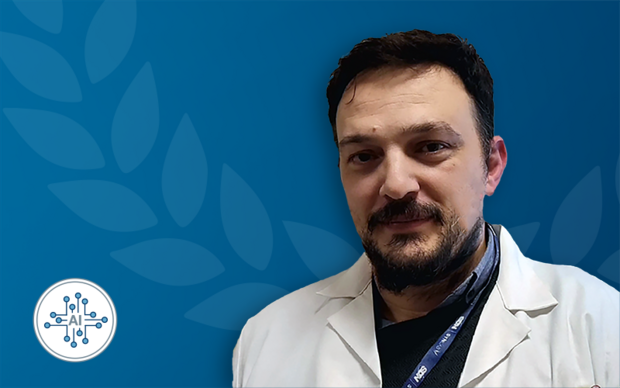
Carlo Cavaliere
What inspired your research and what did it cover?
Radiomics is a growing field in oncology imaging and artificial intelligence applications as well as biomedical imaging. It enables the identification of previously underestimated markers of tissue heterogeneity. Until now, it has been difficult to combine radiomic information from several centres into a statistical framework because of the variations in scanner models, acquisition techniques, and reconstruction parameters. The goal of this work was to create an analytical framework to make it easier to harmonise multicentre radiomic features that were extracted from prostate T2-weighted magnetic resonance imaging (MRI). Additionally, the work aimed to increase the power of radiomics for PCa management.
Looking at the potential of your findings, what difference can they make?
There is huge potential to help PCa clinical practice – the suggested statistical framework has allowed us to define and create a systematic pipeline of analysis to harmonise multicentre T2W radiomic characteristics, leading to more reliable, non-invasive imaging biomarkers.
Publication
A framework of analysis to facilitate the harmonization of multicenter radiomic features in prostate cancer
National Library of Medicine – pubmed.ncbi.nlm.nih.gov/36614941/
Pooling radiomic features coming from different centers in a statistical framework is challenging due to the variability in scanner models, acquisition protocols, and reconstruction settings. To remove technical variability, commonly called batch effects, different statistical harmonization strategies have been widely used in genomics but less considered in radiomics. The aim of this work was to develop a framework of analysis to facilitate the harmonization of multicenter radiomic features extracted from prostate T2-weighted magnetic resonance imaging (MRI) and to improve the power of radiomics for prostate cancer (PCa) management in order to develop robust non-invasive biomarkers translating into clinical practice.